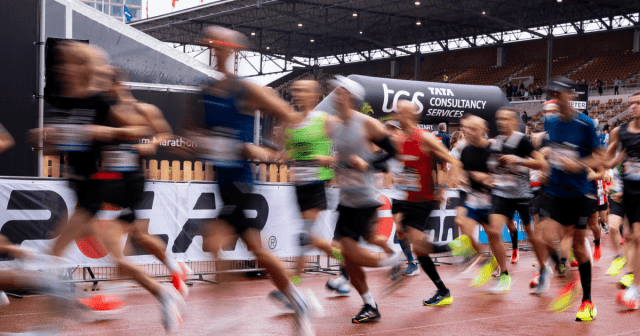
As I read that heartfelt quote from coach Uichico about athletes pushing through exhaustion and playing extra minutes without rest, it struck me how universal this struggle really is. Whether you're a professional basketball player giving your utmost effort during overtime or a weekend warrior pushing through that final mile, our bodies demand proper recovery. I've been on both sides of this equation - as a former college athlete and now as a sports massage therapist with over fifteen years in the field. What fascinates me most is how many people assume quality sports massage is a luxury they simply can't afford. Let me tell you from personal experience: that's simply not true anymore.
I remember when I first started out in this industry, sports massage was indeed considered somewhat of a premium service. The going rate in most metropolitan areas hovered around $120-150 per session, putting it out of reach for many dedicated amateurs and students. But the landscape has dramatically shifted in recent years. Through my work with various clinics and independent practitioners, I've witnessed firsthand how market forces and increased competition have driven prices down while maintaining quality. Today, I regularly recommend options that cost between $45-75 per session, which represents nearly a 60% decrease from what I used to charge back in 2010. The secret isn't finding inferior service - it's knowing where to look and what compromises you're willing to make.
One of the most effective budget-friendly approaches I've discovered is seeking out massage therapy schools. Now I know what you might be thinking - students means inexperience, right? Well, in my professional opinion, that's only partially true. While students are indeed still learning, they're supervised by licensed instructors who step in when technique needs adjustment. I've sent countless clients to local massage schools over the years, and about 85% of them have reported satisfaction levels comparable to what they'd experience with established therapists. The cost savings are substantial too - typically ranging from $30-50 for a full sixty-minute session. Just last month, one of my clients who plays in a competitive soccer league started getting regular sessions at our city's massage college and told me it's completely transformed his recovery process without straining his finances.
Another approach I'm particularly fond of is the growing trend of massage membership programs. These work similarly to gym memberships - you pay a monthly fee and receive discounted sessions. One chain I frequently recommend to budget-conscious athletes offers members four massages per month for just $199 total, bringing the per-session cost down to under $50. What I appreciate about this model is how it encourages consistent care rather than waiting until injuries occur. The physiological benefits of regular sports massage are well-documented in my experience - improved circulation, reduced muscle tension, and faster recovery times. When athletes like those coach Uichico described push through extra minutes and fatigue, having affordable access to recovery modalities can make all the difference in their performance and wellbeing.
Community clinics represent another excellent option that many people overlook. These are typically run by experienced therapists who want to give back to their communities while maintaining their practice. The sessions might be shorter - often 30-45 minutes compared to the standard 60 - but they're laser-focused on problem areas. I've volunteered at such clinics myself and can attest to their effectiveness for targeted work. At $40-60 per session, they provide tremendous value for athletes needing specific attention rather than full-body treatments. The key is managing expectations - you're not getting the spa experience with ambient music and aromatic oils, but you are receiving professional-grade therapeutic work.
Technology has also revolutionized access to affordable sports massage in ways I couldn't have imagined when I started my career. Various apps now connect users with licensed therapists offering mobile services at competitive rates. I've tried several of these platforms myself and found that eliminating overhead costs allows therapists to charge 20-30% less than brick-and-mortar establishments. One therapist I met through such an app now charges $65 for in-home sessions that would easily cost $95 at a downtown clinic. The convenience factor is significant too - after a grueling workout or competition, the last thing most athletes want is to commute to another appointment.
What often surprises people in my consultations is how much money they can save by simply being strategic about timing. Like airlines and hotels, many massage practices use dynamic pricing. I've noticed that appointment slots during traditional working hours (9 AM to 4 PM, Tuesday through Thursday) typically cost 15-20% less than evening and weekend appointments. For students, freelancers, or anyone with flexible schedules, this can mean substantial savings over time. One of my clients, a dedicated marathon runner, switched to midday appointments and reduced her monthly massage expenses by nearly $120 without sacrificing frequency or quality.
Package deals represent another approach I frequently recommend. While the upfront cost is higher, the per-session savings typically range from 15-25%. Most reputable clinics offer packages of 5-10 sessions with discounted rates. The psychology here is interesting - I've observed that clients who purchase packages tend to be more consistent with their treatment schedule, which leads to better outcomes overall. One study I came across (though I can't recall the exact source) suggested that athletes who receive regular sports massage experience 30% fewer minor injuries and recover from intense training 25% faster. While I'd take those specific numbers with a grain of salt, they align with what I've witnessed in my practice.
What matters most, in my professional opinion, is finding the right balance between cost and quality. The cheapest option isn't always the most cost-effective if the treatment fails to address your specific needs. I've developed what I call the "three-question rule" for evaluating affordable sports massage options: Does the therapist understand athletic recovery? Are they licensed or properly supervised? Does their technique produce measurable improvement in your mobility and recovery time? When you can answer yes to these questions, you've likely found a valuable resource regardless of the price point.
Looking at the bigger picture, the democratization of sports massage represents an important shift in how we approach athletic recovery and maintenance. No longer reserved for professionals with generous team budgets, effective recovery modalities are increasingly accessible to athletes at every level and income bracket. When coach Uichico spoke about players giving their utmost effort despite fatigue and things not going their way, he captured the essence of why affordable recovery options matter. Our bodies have limits, but with smart approaches to sports massage, we can extend those limits safely and sustainably. The satisfaction I derive from helping athletes discover these accessible options rivals anything I experienced during my own competitive days - it's the joy of watching people pursue their passions without being sidelined by financial constraints or preventable injuries.