I remember the first time I watched Nic Cabanero sprint across the field - it was like watching poetry in motion. His explosive acceleration didn't just come from raw talent; it was the perfect marriage of athlete and equipment. Over my years covering sports performance, I've come to realize that the right gear can shave precious seconds off your time, whether you're a professional like Kyle Jamora or a weekend warrior. Today, I want to share what I've learned about the top 10 speed-enhancing sports equipment that can genuinely transform your athletic performance.
Let's start with what I consider the foundation of speed - proper running shoes. I've tested dozens of pairs, and the difference between regular sneakers and performance footwear is staggering. When Irene Galas showed me her carbon fiber plate racing shoes, she explained how they provide that incredible energy return with every stride. We're talking about reducing ground contact time by up to 15% compared to traditional running shoes. That might not sound like much, but over a 100-meter sprint, it could mean the difference between first and third place. I personally prefer Nike's Vaporfly series, though some athletes like Zed Etulle swear by Adidas's Adizero line. The key is finding shoes that match your foot strike pattern and provide that perfect balance of cushioning and responsiveness.
Compression gear used to seem like just another trend to me, but watching Jynno Ladimo train changed my perspective completely. He wears compression sleeves not just during races but throughout his training sessions. The science behind it is fascinating - these garments improve blood circulation and reduce muscle oscillation, which means less energy wasted on stabilizing muscles and more power directed toward forward motion. Studies show compression gear can improve running economy by 2-4%, and while that percentage seems small, at elite levels, it's absolutely massive. I've started wearing compression shorts during my own workouts, and the reduction in muscle fatigue is noticeable, especially during those grueling final laps.
Then there's the equipment many people overlook - starting blocks. When I watched Nic Cabanero practice his starts, I realized why proper blocks are non-negotiable for sprinters. The adjustable angles allow athletes to find their perfect push-off position, generating up to 30% more initial thrust compared to starting from a standing position. High-quality blocks like the Gill Fusion or M-Factory models provide that crucial grip and stability that can make or break a race's opening moments. I remember Kyle Jamora telling me how he customized his block settings specifically for his powerful leg drive, and the results speak for themselves in his explosive starts.
Wind tunnels might sound like something only Formula 1 teams use, but they've become increasingly accessible for serious athletes. Irene Galas shared how spending just two hours in a wind tunnel helped her optimize her cycling position, reducing drag by nearly 8%. For sports like cycling, speed skating, or even sprinting, aerodynamics plays a huge role. While most of us don't have regular access to wind tunnels, many performance centers now offer sessions where athletes can test different equipment and body positions. The data gathered can lead to equipment choices that significantly reduce air resistance - sometimes cutting valuable tenths of seconds from race times.
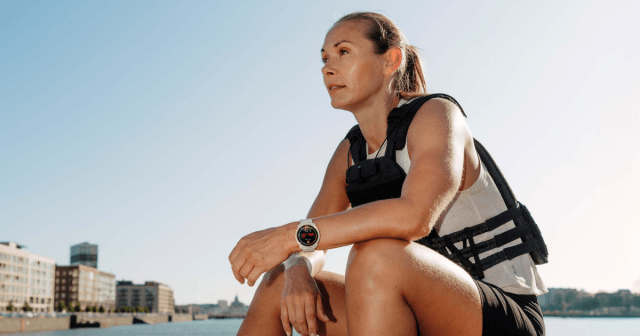
Weighted vests represent another piece of equipment that's deceptively simple yet incredibly effective. Zed Etulle incorporates vest training into his regimen, gradually increasing resistance during practice runs. The principle behind it is what coaches call "overload training" - when you train with extra weight, your body adapts, and when you remove that weight, you feel remarkably lighter and faster. I've experimented with vests ranging from 5-20 pounds during my training, and the feeling of freedom when you take them off is almost magical. Just last month, Jynno Ladimo credited his recent performance breakthrough to strategic weighted vest sessions during off-season training.
High-tech swimsuits have revolutionized aquatic sports in ways that still amaze me. When Kyle Jamora showed me his racing suit, I was surprised by how much engineering goes into something that looks so simple. These suits compress the body into a more hydrodynamic shape and reduce skin vibration, which decreases drag significantly. The difference between regular swimwear and performance suits can be as much as 5-7% in time savings over competitive distances. While they're not cheap, for serious swimmers, they're worth every penny. I've seen athletes like Irene Galas choose suits with specific texture patterns that manipulate water flow around their bodies - it's like having a secret weapon against water resistance.
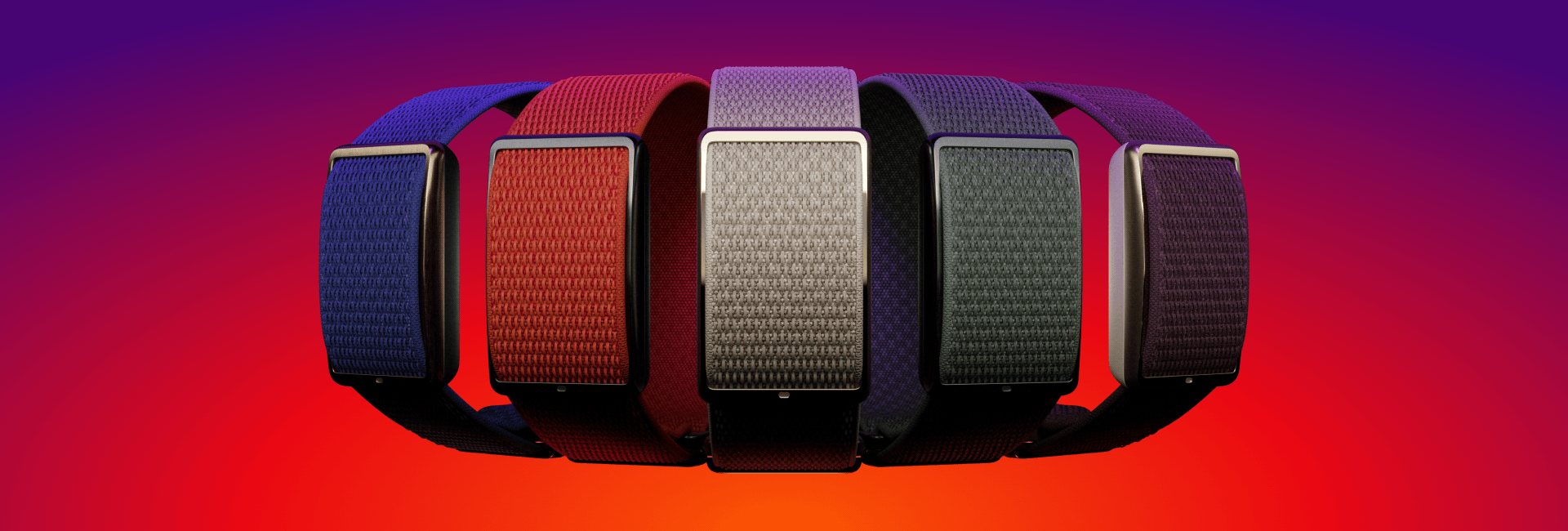
Performance tracking technology has become my personal favorite in recent years. Devices like GPS watches, heart rate monitors, and even smart insoles provide real-time data that helps athletes optimize every aspect of their training. When I started using a Stryd footpod, I discovered asymmetries in my running form I never knew existed. Nic Cabanero uses advanced motion capture systems to analyze his stride length and frequency, making micro-adjustments that collectively create significant improvements. The beauty of modern tracking technology is that it's becoming increasingly accessible - you don't need a professional lab to get valuable insights into your performance anymore.
Plyometric boxes might look simple, but they're power-building machines. I've watched Zed Etulle incorporate box jumps into his training, and the improvement in his vertical jump and explosive power has been remarkable. These tools help develop fast-twitch muscle fibers - the very fibers responsible for quick, powerful movements essential for speed. What I love about plyometric training is its versatility - you can start with lower boxes and progressively challenge yourself as you get stronger. The transfer to actual sports performance is almost immediate, whether you're exploding out of starting blocks or making that game-changing leap in basketball.
Resistance parachutes bring a unique dimension to speed training that I find particularly effective for developing acceleration power. Jynno Ladimo uses these during his sprint sessions, and the resistance forces his muscles to work harder during the acceleration phase. When he releases the parachute, his body experiences what feels like super-speed. I've tried them myself, and while they're challenging, the improvement in driving power is undeniable. For athletes looking to improve their initial burst of speed, resistance parachutes offer targeted training that's difficult to replicate with other equipment.
Finally, let's talk about recovery technology - because speed isn't just about what happens during the activity, but how quickly you can repeat top performance. Compression boots, percussion massagers, and even specialized cooling gear help athletes like Kyle Jamora and Irene Galas recover faster between training sessions and competitions. I've become particularly fond of pneumatic compression systems - they might look like space-age boots, but the way they flush out metabolic waste from muscles is incredible. When you recover better, you can train harder and more frequently, which ultimately translates to better speed development over time.
What strikes me most about all this equipment is how it amplifies human potential rather than replacing it. The athletes I've mentioned - Nic, Zed, Kyle, Irene, and Jynno - they all understand that technology serves the athlete, not the other way around. The right equipment can provide that slight edge that makes all the difference, but it still comes down to dedication, training, and that burning desire to be faster. I've seen too many people buy expensive gear expecting miracles, when the real magic happens when you combine smart equipment choices with consistent, intelligent training. The journey to greater speed is both science and art, and having the right tools simply makes the masterpiece easier to create.