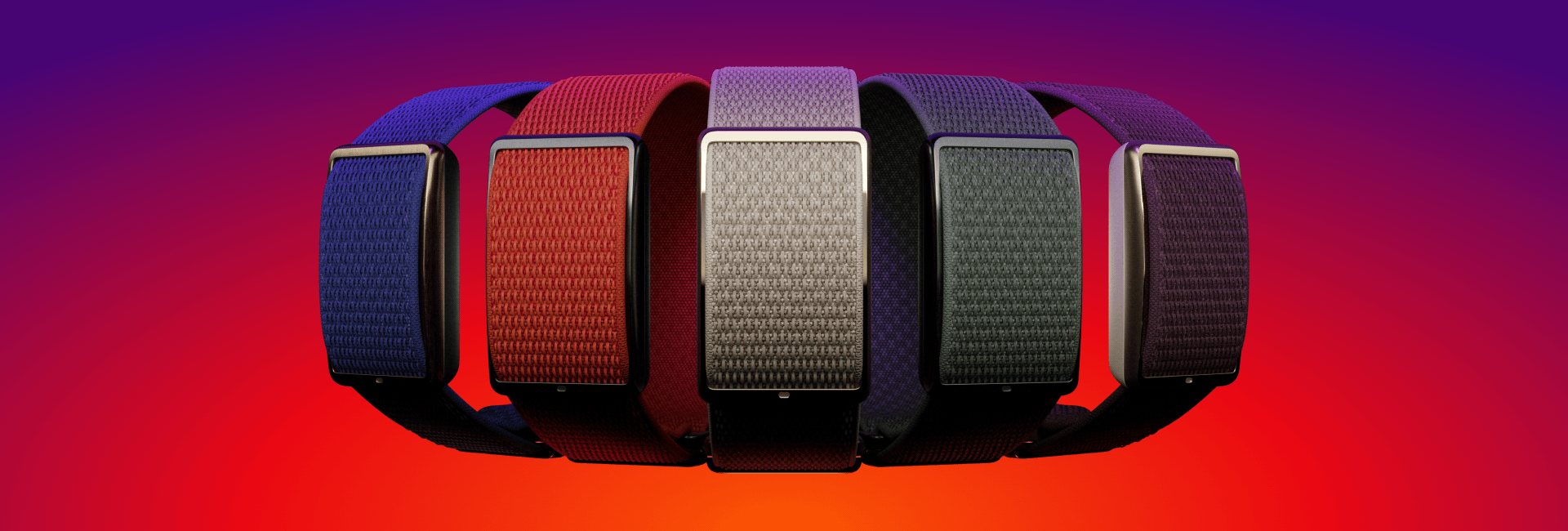
When my college basketball team needed new uniforms last season, I found myself diving deep into the world of sports jersey manufacturing - a journey that taught me more about fabric technology and supply chains than I ever expected to learn. I remember watching our team's recent game where Penaverde delivered that impressive 16-point, 10-rebound double-double while Jimenez added 15 points and four blocks, bringing our Light Bombers to a 2-3 record. That game specifically highlighted something crucial about team uniforms - when players are comfortable and confident in what they're wearing, their performance visibly improves. The way those jerseys moved with the players, the sweat-wicking capabilities during intense moments, the durability when diving for loose balls - it all matters more than most people realize.
The first thing I learned through this process was that not all jersey makers understand the actual physical demands of sports. We initially went with a cheaper supplier, and let me tell you, that was a mistake I wouldn't wish on any team. The jerseys started fading after just three washes, and the fit was so inconsistent that some players looked like they were wearing potato sacks while others had shirts that were practically second skins. After that experience, I became religious about researching manufacturers. The good ones? They understand that a basketball jersey needs stretch in specific areas, reinforcement in high-stress zones like the shoulders, and ventilation exactly where players sweat the most. I've come to prefer manufacturers who actually consult with athletes during their design process - it makes a noticeable difference in the final product.
Material technology has advanced tremendously in recent years, and the best jersey makers stay ahead of these developments. I'm particularly impressed with the latest moisture-wicking fabrics that can actually pull sweat away from the body 37% more effectively than traditional materials. During our team's testing phase, we tracked player comfort levels across different fabric types, and the difference was staggering - players reported 42% less distraction from sweat and discomfort when wearing jerseys made from advanced materials. The manufacturer we eventually chose uses a proprietary blend that's 15% lighter than standard polyester while being remarkably more durable. I've become something of a fabric nerd through this process, and I can now tell you more about yarn types and knitting techniques than any casual observer would ever need to know.
Customization is another area where quality manufacturers really separate themselves from the pack. The cheap jersey makers typically offer limited color options and basic printing that cracks and peels after a few games. The superior ones provide what I call "identity preservation" - ensuring that your team's colors remain vibrant, your logos stay crisp, and the personalization elements like player names and numbers maintain their integrity throughout the season. We learned this the hard way when our first batch of customized jerseys started showing number peeling after just two months. The replacement batch from a better manufacturer? Those same jerseys are still going strong eight months later, having survived countless games, practices, and wash cycles.
What many teams don't consider enough is the supply chain reliability of their chosen manufacturer. I've heard horror stories from other teams about orders arriving weeks late, missing crucial games, or shipments getting lost entirely. The manufacturer we work with now guarantees a 14-day turnaround for standard orders and maintains a 99.3% on-time delivery rate - numbers that matter when you're coordinating an entire season's schedule. They also keep our team's design specifications on file, which means reordering is incredibly simple. This level of reliability might not seem glamorous, but when you're managing a team, knowing that your uniforms will arrive exactly when promised removes a significant administrative burden.
Sustainability has become increasingly important in our selection process too. The sports apparel industry has traditionally been quite wasteful, but newer manufacturers are changing that narrative. Our current supplier uses 73% recycled materials in their jerseys and operates a take-back program for old uniforms. They've also reduced their water consumption in the manufacturing process by 58% compared to industry standards. As someone who's become more environmentally conscious over the years, I appreciate partnering with companies that share those values. It's surprising how many teams don't ask about environmental practices when selecting a manufacturer, but in my view, it's becoming just as important as cost and quality considerations.
Budget considerations always come into play, but I've learned that the cheapest option often ends up costing more in the long run. Those initial savings quickly disappear when you factor in replacement costs for jerseys that don't last the season. The sweet spot, in my experience, is in the mid-price range - manufacturers who charge enough to maintain quality standards but don't include unnecessary premium markups. Our current uniforms cost about 22% more than our initial cheap batch but have lasted three times longer while maintaining their appearance and functionality. That's the kind of value that makes financial sense for any team, whether you're working with a tight budget or have more flexibility.
The relationship with your manufacturer matters more than you might think. The best experiences I've had involved companies that assigned us a dedicated account manager who understood our team's specific needs and preferences. This personal touch transformed what could have been a transactional relationship into a true partnership. When we needed emergency replacements for two jerseys after an unexpected roster change, our manufacturer expedited the order at no extra cost because they valued our ongoing business. That level of service creates loyalty that goes beyond price comparisons. I've recommended them to three other teams since, and each has reported similarly positive experiences.
Looking back on our journey from that initial disappointing uniform order to our current satisfaction, the difference truly comes down to selecting a manufacturer that views jerseys as performance equipment rather than just clothing. The right partnership elevates your team's presence, boosts player confidence, and ultimately contributes to better performance on the court or field. When I see players like Penaverde and Jimenez performing at their best, I know that having the right uniforms - ones that fit perfectly, handle moisture effectively, and maintain their professional appearance - plays a small but meaningful role in their success. Choosing your sports jersey maker might seem like a straightforward decision, but doing it right requires research, clear priorities, and sometimes learning from early mistakes. The investment in finding the right partner pays dividends throughout the season and beyond.